B-USEFUL Annual Meeting 2025 — Highlights from Sète, France

03–07 November 2025

Station Ifremer – MARBEC research lab
87 Avenue Jean Monnet
34200 Sète

France

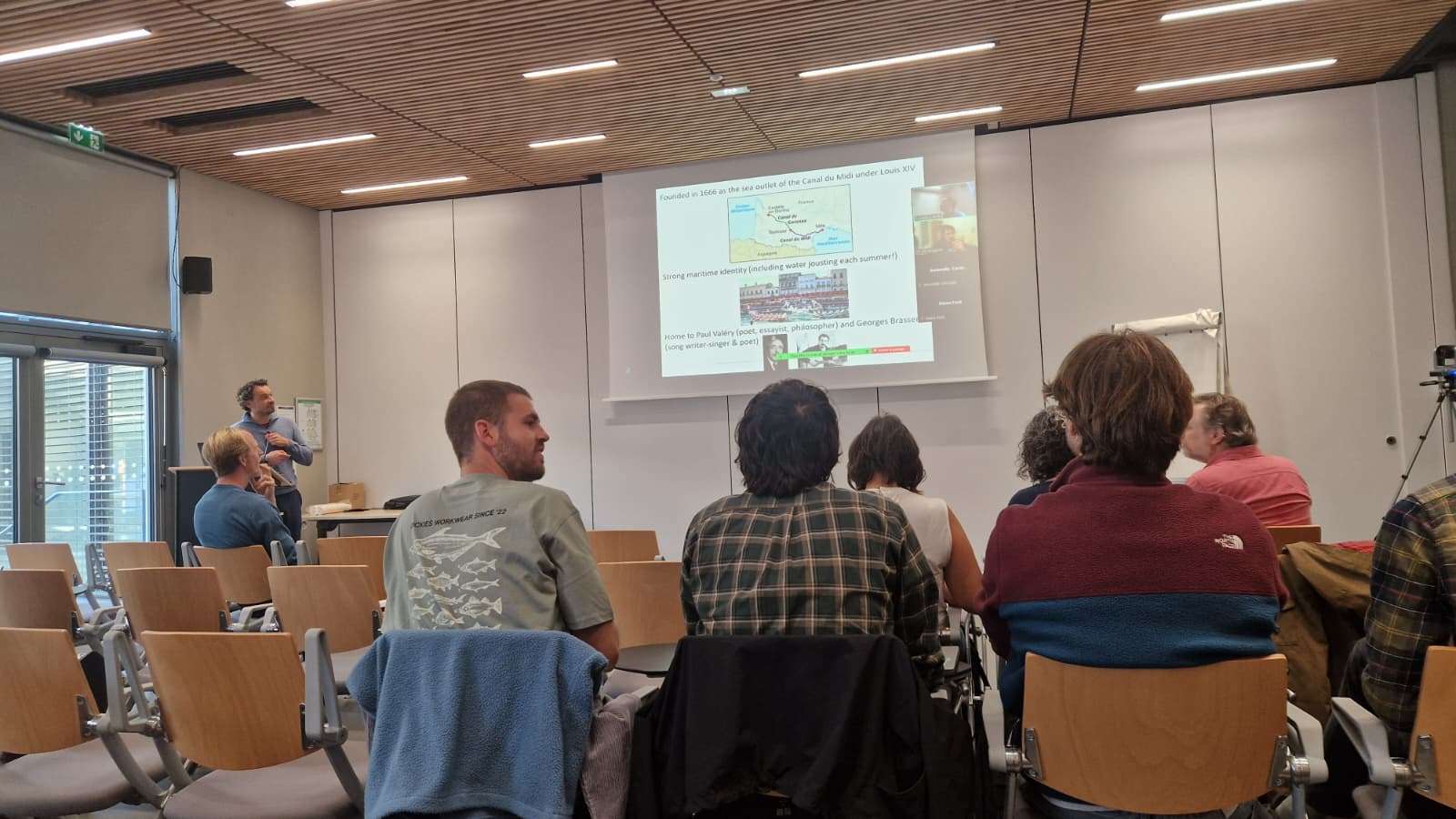
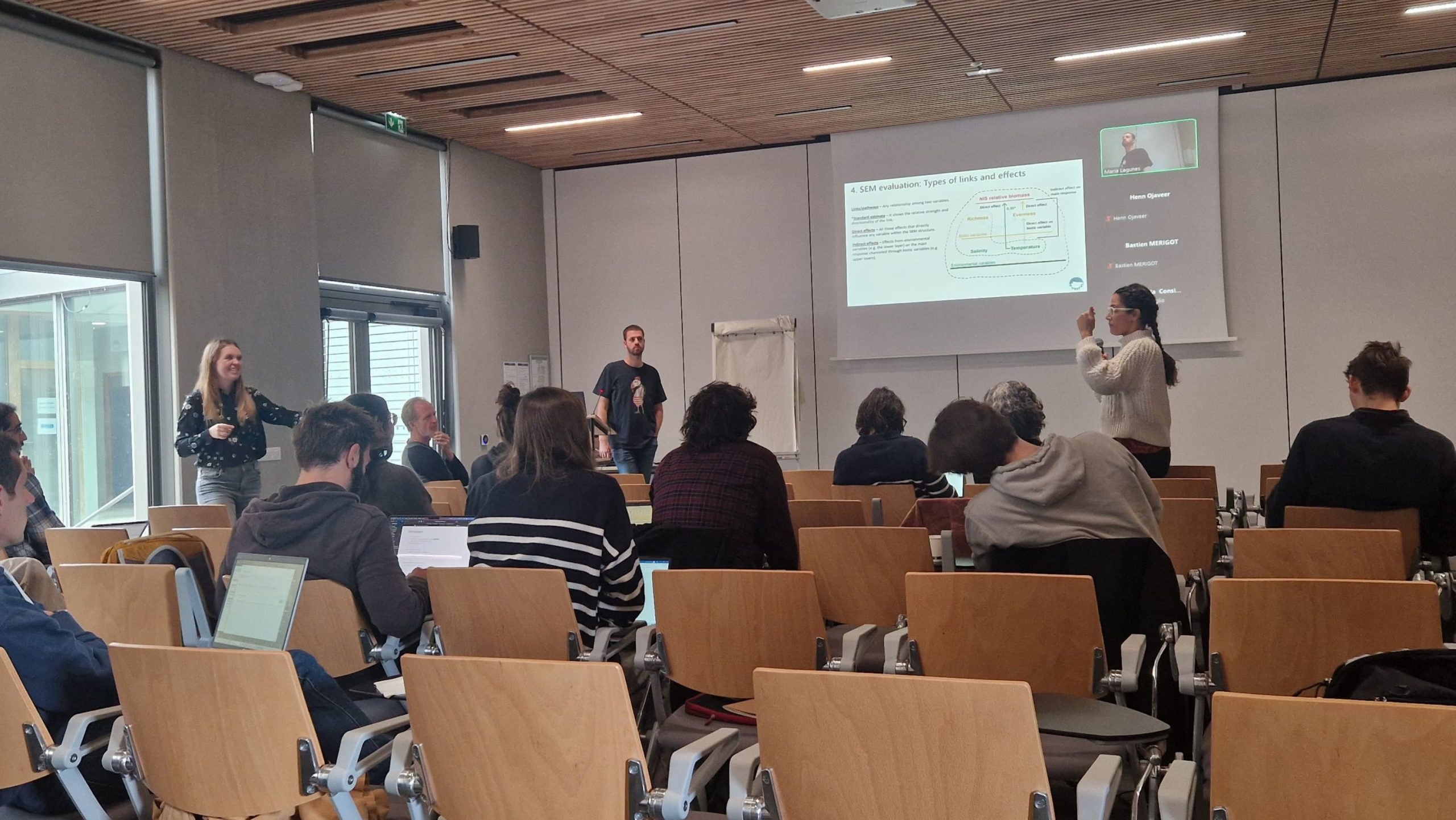
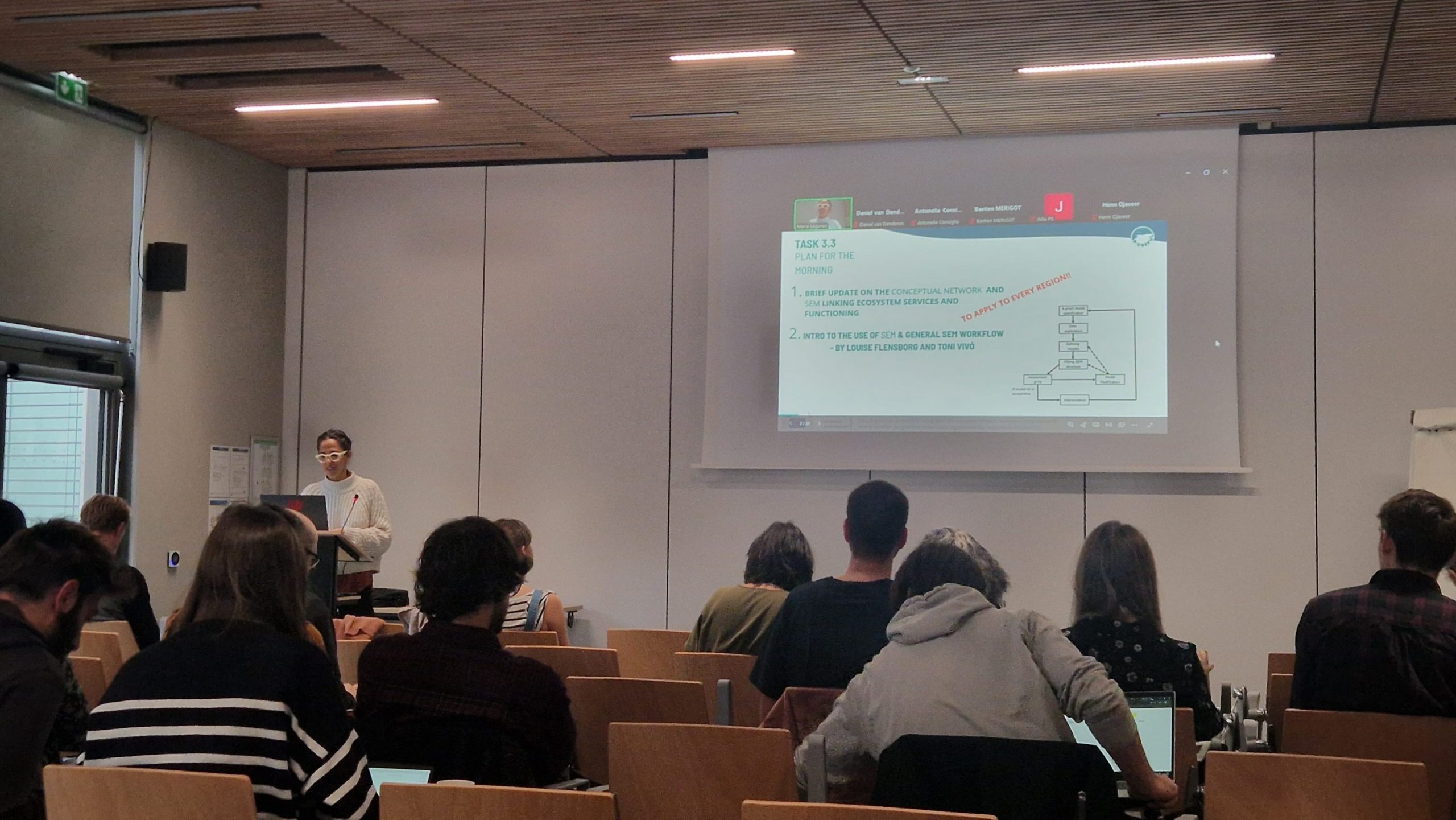
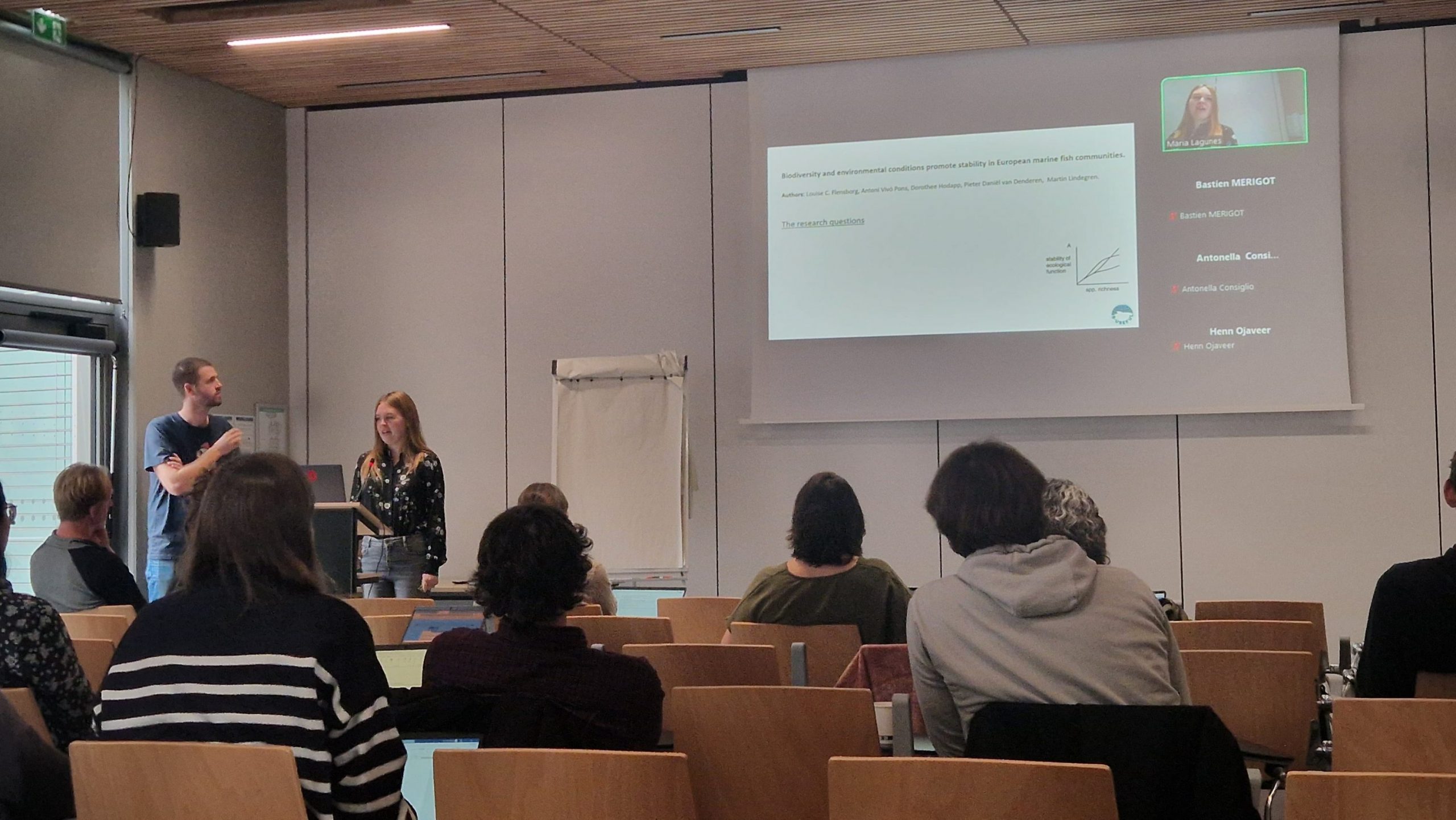
The B-USEFUL consortium gathered this November in the Mediterranean city of Sète, France, for a week of workshops, knowledge exchange, and collaborative planning. Hosted by Bastien Mérigot at the MARBEC Research Lab (host: University of Montpellier; Ifremer station), the meeting brought together partners from across Europe to align on progress and strengthen the project’s scientific and policy impact.

The official agenda structured the week around plenary updates, hands-on sessions, and discussions on future scenarios, modelling workflows, stakeholder engagement, and training platforms.

Clarifying Impact and Strengthening Uptake

A central theme of the week was understanding, and communicating, impact beyond academia.
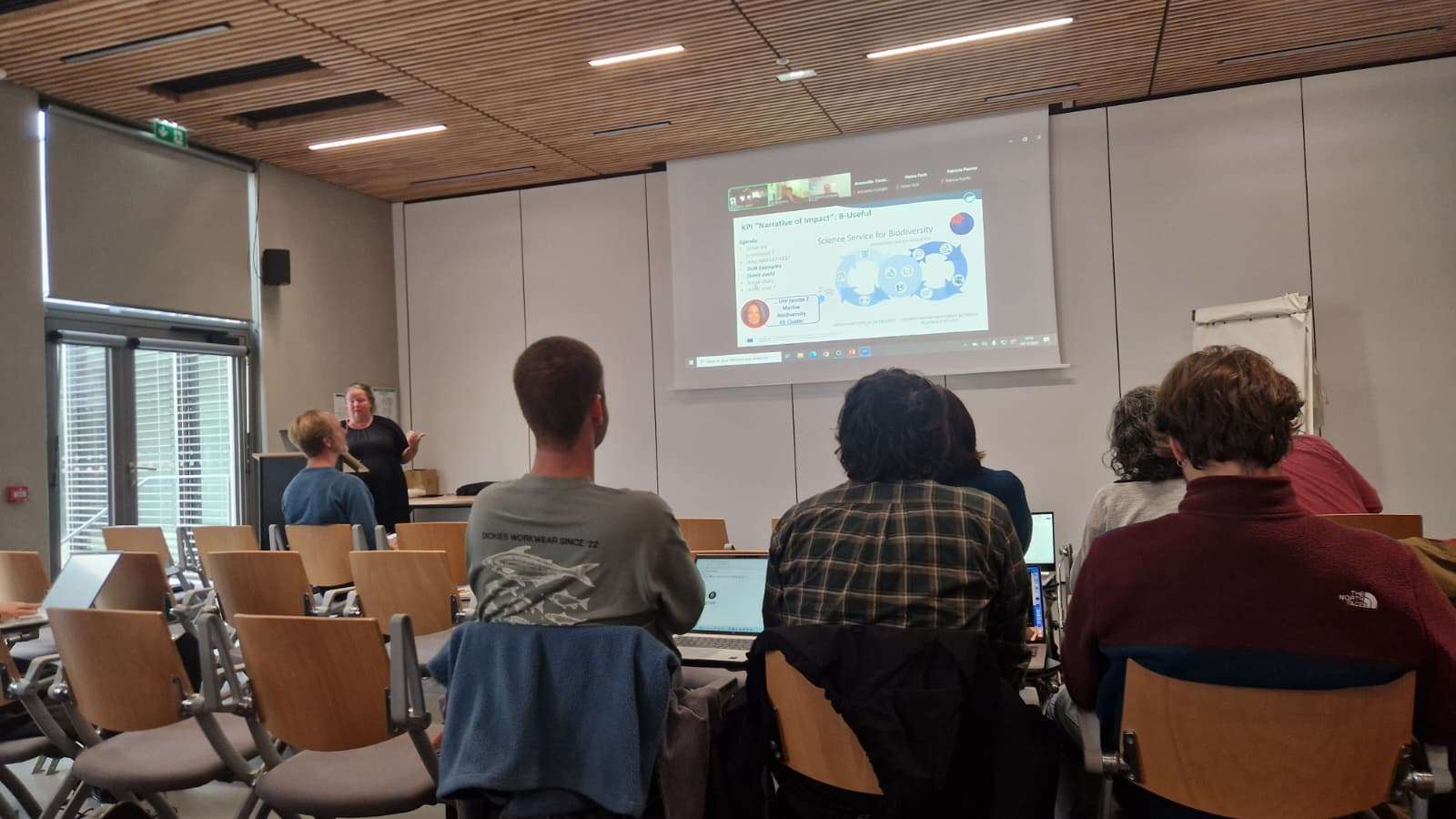
Through a dedicated workshop, partners explored how to capture Impact Narratives, one of the project’s Key Performance Indicators. These narratives document real benefits for end-users: improved workflows, better-informed decisions, and increased alignment with EU biodiversity strategies.

Examples shared during discussions included:

  • The growing role of KEN-Marine, strengthening the science–policy interface.

  • Development of a decision-support tool to guide future Marine Protected Area (MPA) planning.

  • The outreach potential of the iBlue Game, illustrating how playful learning can support public engagement.

  • Early progress on the e-learning platform, which will become a key legacy for training and capacity building.
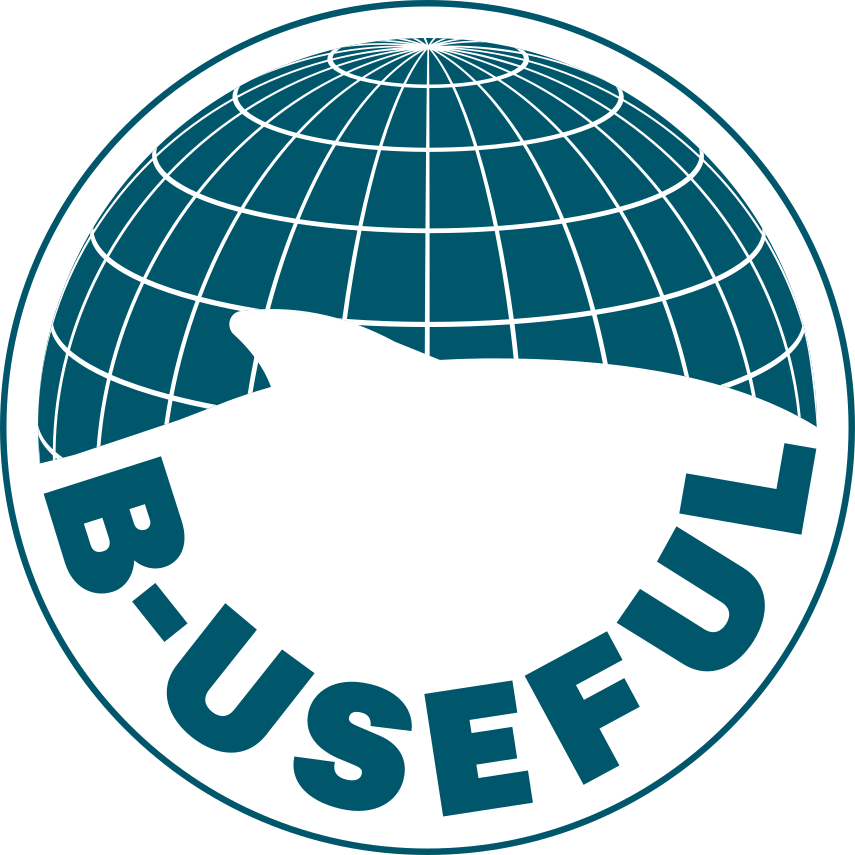
The conversation highlighted the need to gather stakeholder testimonials, translate project outputs into meaningful stories, and ensure that tools remain fit for purpose in real management contexts.

From Modelling Insights to Decision-Support

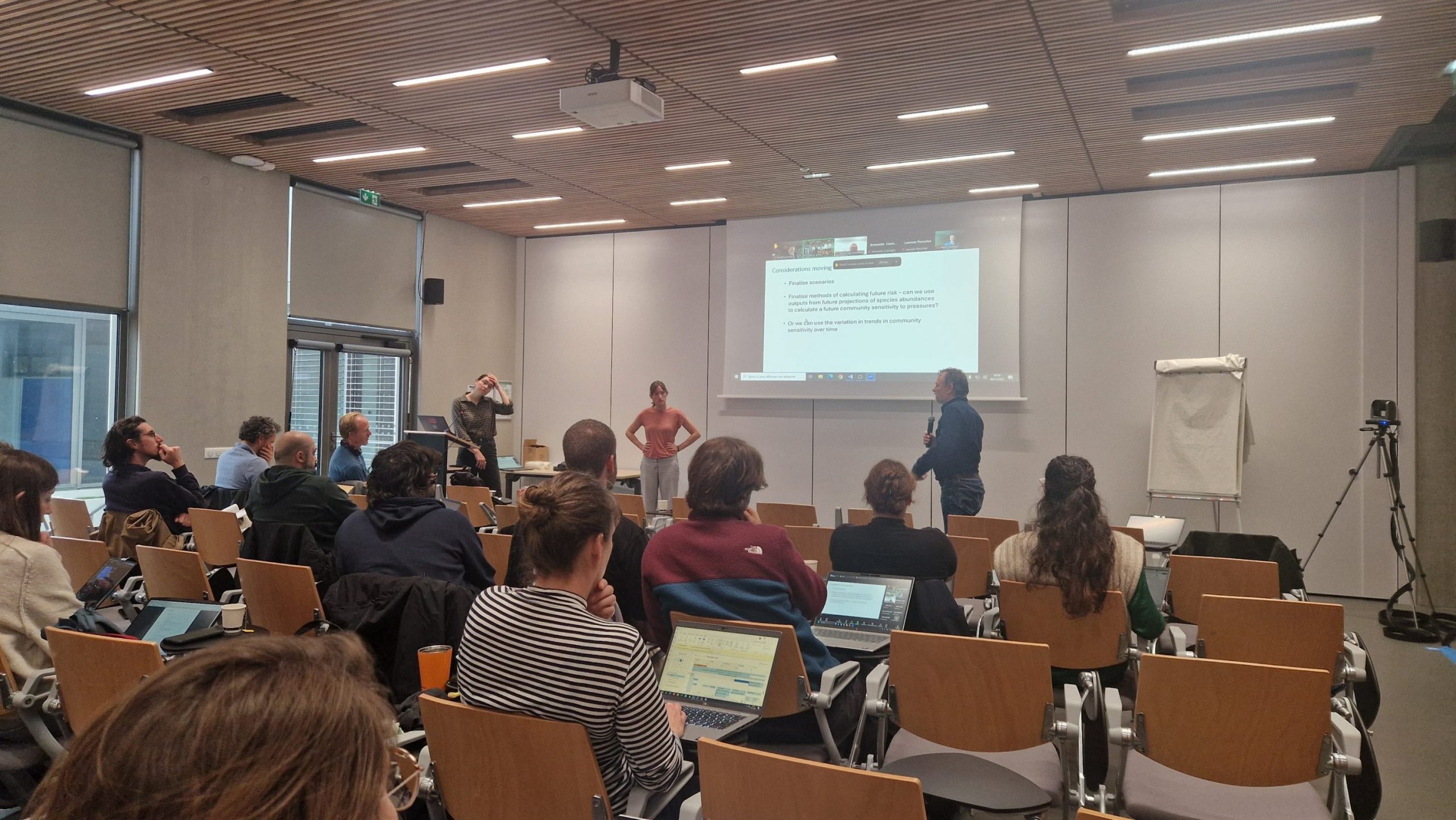
Across several sessions, partners presented advances in modelling, risk assessment, and scenario development.

Key scientific highlights included:

  • Conceptual models and SEM approaches that help structure ecosystem relationships and support scenario testing.

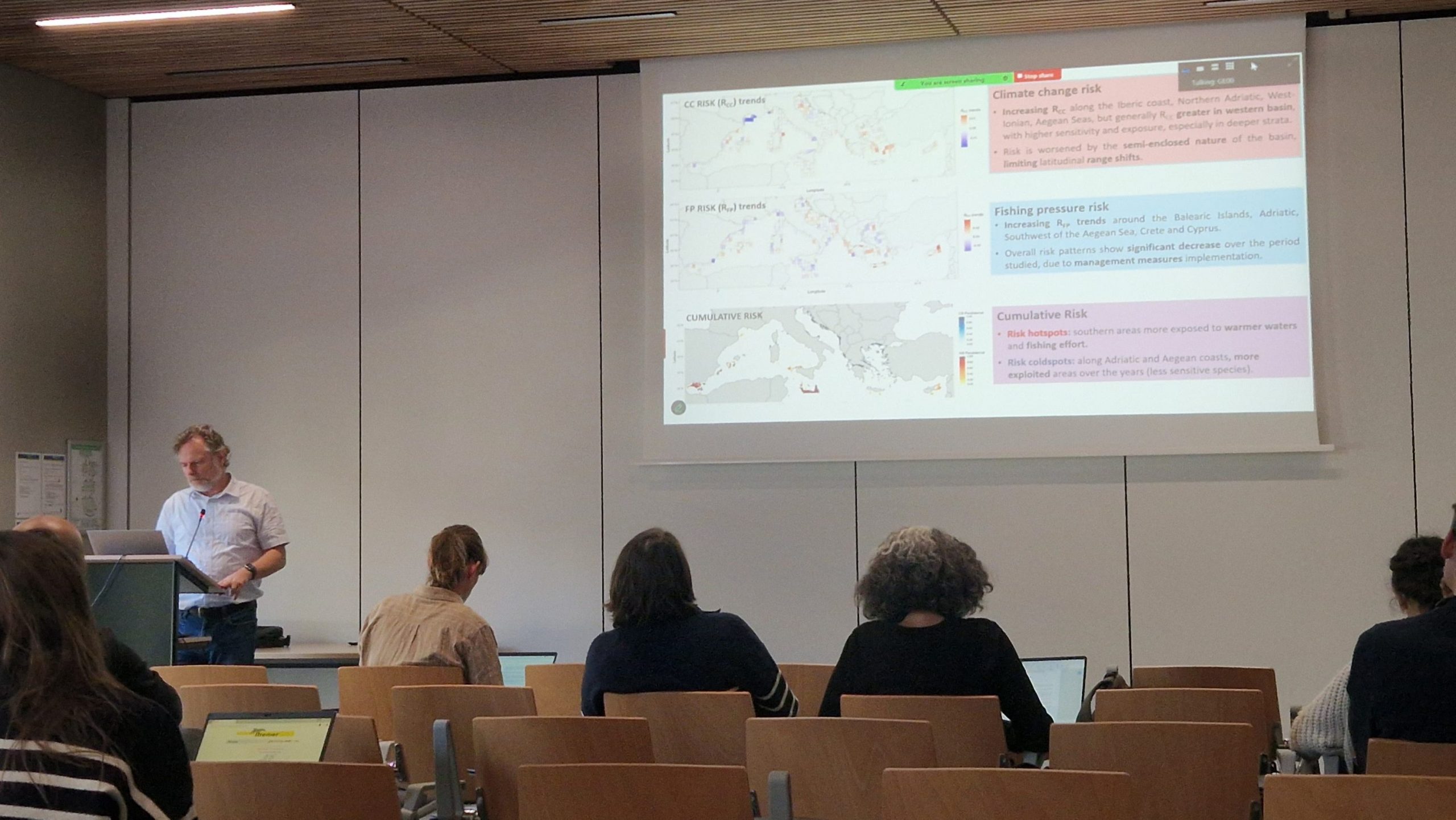
  • Community-level risk assessments showing the combined effects of fishing pressure and climate change, including Mediterranean case studies developed with project partners in Italy and Greece.

  • Cumulative risk mapping identifying regional hotspots and informing climate-smart management strategies.

  • New insights on benthic habitat sensitivity, developed with colleagues in Portugal.

  • Work on invasive species risks, emphasising the need to integrate non-native species into MPA planning.

These tools are gradually converging into the project’s broader ambition: supporting ecosystem-based, forward-looking management across Europe’s seas.

Future Scenarios and User Needs

Another major theme was exploring future marine scenarios and linking them with real-world policy questions.

Discussions examined how different possible future trajectories could influence:

  • MPA expansion and management

  • Offshore wind farm development

  • Fisheries practices

  • Biodiversity conservation targets

These conversations strengthened the bridge between the end-user survey results from WP1 and the emerging modelling tools in WP5, ensuring that the scenarios designed by the consortium reflect the priorities and expectations of stakeholders.

Science–Policy Exchange, Training & Legacy

Partners also aligned on longer-term outputs that will shape B-USEFUL’s legacy:

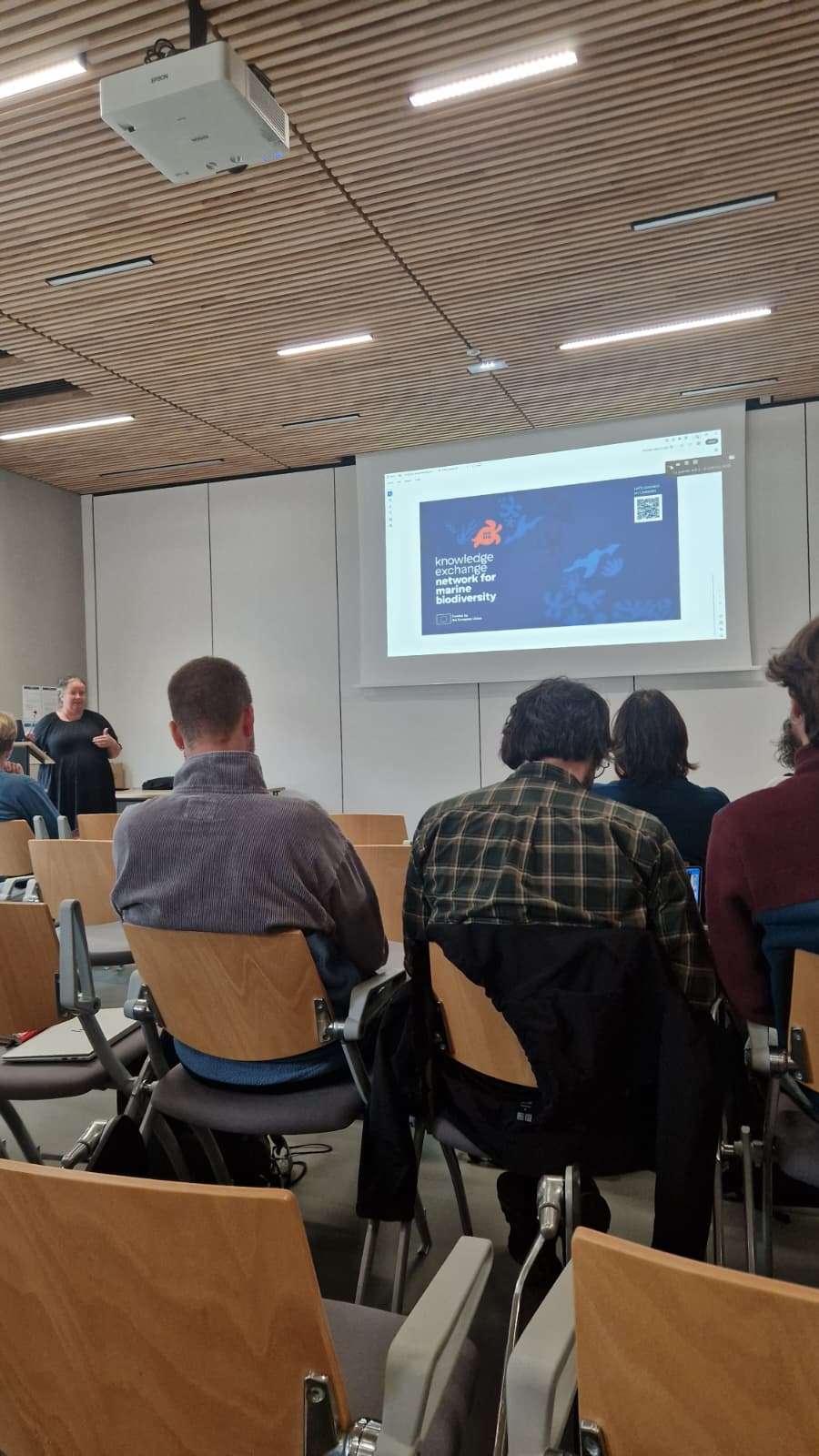
  • The Knowledge Exchange Network (KEN-Marine) continues to grow as a space to share best practices, foster co-development, and support policy needs.

  • The interactive decision-support tool is advancing toward a transparent, user-oriented platform.

  • Development of the B-USEFUL e-learning platform is underway, aiming to make training accessible and scalable for scientists, managers, and students.

  • Strengthened communication and synthesis activities will help ensure that project outcomes reach EU strategies and advisory bodies, including the Knowledge Centre for Biodiversity.

An Engaging and Collaborative Week

Beyond the formal sessions, the meeting provided space for deeper scientific exchange, data discussions, and ideas for future funding opportunities. The collaborative atmosphere highlighted the strength of the consortium and the shared commitment to supporting biodiversity conservation and ecosystem-based management across Europe’s seas.

Warm thanks go to Bastien Mérigot for hosting us in Sète and providing an inspiring environment for a highly productive week.